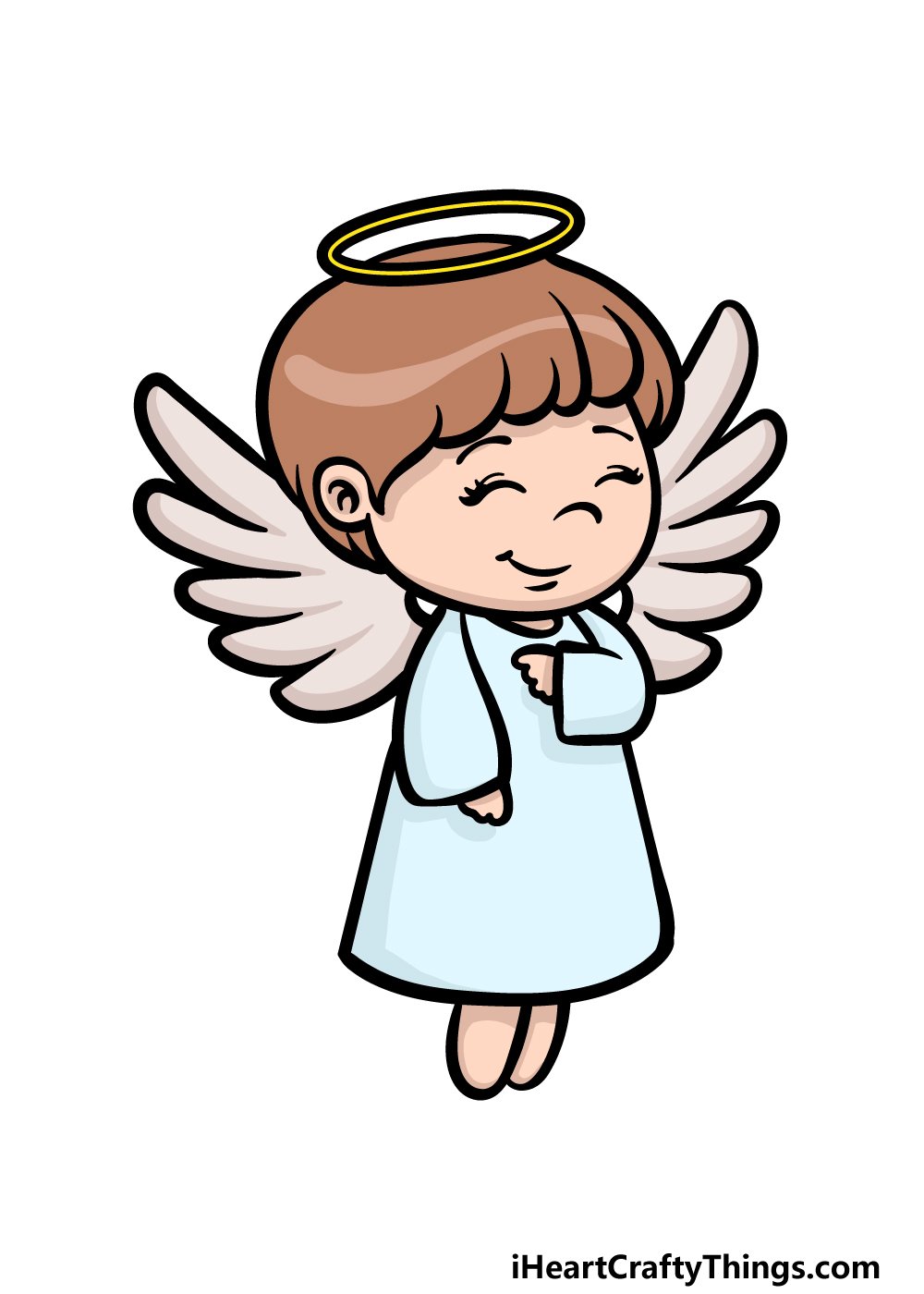
When it comes to using cartoon angels in animation and visual media, you're tapping into a rich vein of archetypal symbolism, capable of conveying a spectrum of emotions and narrative functions. These winged figures, often depicted with halos and ethereal glow, transcend simple religious iconography to become powerful, versatile tools for creative storytelling. From guiding protagonists to offering comic relief, a well-designed and thoughtfully animated cartoon angel can elevate your project, adding depth, charm, or even unexpected twists.
Before we delve into the celestial mechanics of bringing these characters to life, here’s a quick overview of what you’ll uncover:
At a glance: Key Takeaways for Animating Cartoon Angels
- Versatility is Key: Cartoon angels can serve diverse roles—from benevolent guardians to mischievous tricksters or even complex antagonists.
- Design Dictates Role: Character design (wings, halo, expression, attire) immediately signals an angel's personality and purpose.
- Animation Adds Emotion: Movement, especially of wings and facial expressions, is crucial for conveying an angel's emotional state and intent.
- Cultural Sensitivity Matters: Be mindful of religious and cultural interpretations to ensure your portrayal is appropriate for your audience.
- Modern Tools Empower: Digital animation software and asset libraries (like LottieFiles) make creating and implementing angel animations more accessible than ever.
- Storytelling First: Always consider how the angel serves the narrative, enhancing themes and character arcs.
Beyond the Halo: Why Cartoon Angels Resonate in Visual Storytelling
Cartoon angels, at their core, are archetypes. They often represent purity, guidance, protection, and divine intervention, but they're also ripe for subversion. Their inherent visual shorthand allows creators to quickly establish character traits and narrative context without lengthy exposition. Think about the tiny angel on a character's shoulder, battling a devilish counterpart—it’s an instant visual metaphor for internal conflict.
This immediate recognition is a huge asset in animation and visual media, where every frame counts. Whether you're crafting a heartwarming tale, a quirky comedy, or even a nuanced drama, a cartoon angel can act as a catalyst, a moral compass, or a delightful source of humor. The very concept of an angel evokes a sense of wonder, hope, or even mystery, drawing your audience in before a single word is spoken.
Crafting Your Celestial Character: Design Principles for Impact
Designing a cartoon angel isn't just about sticking wings on a figure. It's about intentional choices that communicate personality, purpose, and tone. Your design decisions will dictate how your audience perceives your angel, influencing their emotional connection to your story.
Stylization vs. Realism: Finding Your Cartoon Sweet Spot
The "cartoon" spectrum is broad. On one end, you have highly abstract, minimalist designs, perhaps just a glowing silhouette with a tiny halo. On the other, you might find more detailed, expressive characters that still retain exaggerated, animated qualities.
- Minimalist: Great for conveying abstract concepts, quick visual gags, or serving as background elements. Think simple shapes, limited color palettes.
- Classic Cartoon: Exaggerated features, expressive eyes, often a brighter color scheme. Perfect for comedies, children's animation, or characters with clear, strong emotions.
- Stylized Detailed: More intricate character models, nuanced expressions, and potentially richer textures or lighting, while still maintaining distinct cartoon proportions. Suitable for fantasy, adventure, or more emotionally complex narratives.
Your choice here directly impacts your project's overall aesthetic and the emotional range your angel can convey. Consider your target audience and the general tone of your animation.
Feathering Out the Details: Wings, Halos, and Garments
These iconic elements are where your angel truly comes to life:
- Wings: These are arguably the most defining feature.
- Shape and Size: Are they enormous, powerful wings for dramatic flight, or small, fluttery ones for delicate hovering? Bat-like, bird-like, or purely ethereal? Larger, more majestic wings can suggest power or ancient wisdom, while smaller, feathery ones might imply youth or innocence.
- Feather Detail: Do they have individual feathers, or are they simplified, solid shapes? The level of detail impacts both the visual complexity and the animation challenge.
- Color and Texture: Are they pristine white, shimmering gold, or even dark and tattered for a fallen angel? The material quality—feathery, metallic, glowing—sends strong signals.
- Halo: A simple circle of light, but incredibly versatile.
- Placement and Size: Is it floating above the head, resting on it, or integrated into the hair? A large, bright halo screams traditional sanctity, while a tiny, askew one might hint at a mischievous or inexperienced angel.
- Glow and Opacity: A soft, pulsating glow can be comforting, while a sharp, static one might suggest strictness or authority. Sometimes, a halo can even change color to reflect mood.
- Garments: Often flowing robes, but don't limit yourself.
- Color: Traditionally white or light blue, but consider how other colors might enhance your angel's role. A golden tunic, a deep purple cloak, or even street clothes can entirely recontextualize your character.
- Style: From ancient robes to modern attire, or even armor, the clothing choice speaks volumes about your angel's environment and personality. Is it pristine, worn, or tattered?
Remember, the goal is not just to make it look like an angel, but to infuse it with character. For a deeper dive into these specifics, explore design principles for cartoon angels to truly refine your vision.
Color Palettes and Symbolism
Color is a powerful emotional shorthand.
- Purity/Hope: Whites, light blues, soft golds.
- Wisdom/Authority: Deep blues, purples, silver.
- Power/Energy: Bright golds, fiery oranges (especially for cherubic or seraphic types).
- Mischief/Ambiguity: Pastel greens, soft pinks, or even unexpected vibrant hues.
- Fallen/Dark: Greys, deep reds, bruised purples, broken blacks.
Consider how the overall color scheme of your angel interacts with the background and other characters to create visual harmony or intentional contrast.
Bringing Them to Life: Animation Techniques & Storytelling
Designing your angel is just the first step; animation breathes life into your concept. How your angel moves, flies, and expresses itself can make or break its connection with your audience.
Expressing Emotion Through Movement
Cartoon characters excel at exaggerated emotion, and angels are no exception.
- Facial Expressions: Beyond smiles and frowns, consider subtle eyebrow raises, eye darting, or mouth shapes. An angel with constantly sparkling eyes might be perpetually optimistic, while one with heavy lids might be world-weary.
- Body Language: Are they graceful and serene, or clumsy and flustered? Do they float effortlessly, or do their feet sometimes dangle awkwardly? A slight slump in the shoulders can convey sadness, while puffed chest suggests pride.
- Posing: Even static poses can tell a story. An angel with hands clasped in front might be humble, while arms crossed could indicate disapproval.
Mastering the Ethereal: Animating Wings and Flight
Animating wings is a cornerstone of bringing an angel to life. This isn't just about flapping; it's about conveying emotion, speed, and power.
- Wing Cycles: Develop effective wing cycles for hovering, gentle gliding, rapid ascent, and powerful dives. Each motion should feel distinct and purposeful.
- Feather Physics: Even in a cartoon, there's an expectation of how feathers react. Do they ruffle in the wind? Do they individually flex during a powerful stroke? Simulating secondary motion in feathers adds a layer of realism and dynamism.
- Weight and Mass: How heavy are the wings? Do they have a substantial presence, or are they light and ethereal? This impacts how the body moves in relation to the wings. A large, heavy wing might cause the body to sway, while light wings might seem to lift the character effortlessly.
- Speed Lines and Particles: Use visual cues like speed lines for quick movements and subtle particle effects (like shimmering dust) to enhance their ethereal nature, especially during take-off or landing.
For intricate technical guidance, don't miss these tips for animating angel wings to make your aerial sequences truly soar.
Camera Angles and Framing: Enhancing Angelic Presence
While the research snippet on camera angles was misplaced, the general principle holds: camera work is vital for animated storytelling.
- High Angles (God's Eye View): Can emphasize an angel's power or perspective from above, showing them as observers or benevolent forces.
- Low Angles: Can make an angel seem imposing, majestic, or even threatening, enhancing their presence.
- Close-ups: Focus on facial expressions and subtle movements to convey emotion and character depth, particularly in dialogue scenes.
- Wide Shots: Show the angel's place within the environment, emphasizing scale or interaction with the world.
Integrating into Diverse Scenes
Cartoon angels can exist anywhere. Are they a subtle, almost invisible presence in an everyday street scene? Or are they a dramatic focal point in a fantastical realm? Consider how lighting, shadows, and interaction with physical objects (or lack thereof) contribute to their perceived reality within your animated world. Do they cast shadows? Can they touch things? Answering these questions builds consistency.
Narrative Arc: Roles Cartoon Angels Play in Stories
The true power of cartoon angels lies in their versatility as narrative devices. Their symbolic weight allows them to slip into various roles, enriching plots and character development. To fully leverage their potential, consider how angelic visuals enhance narratives across different genres and themes.
1. The Benevolent Guardian/Mentor
This is perhaps the most classic role. An angel appears to offer guidance, protection, or a crucial piece of advice to a struggling protagonist.
- Example: A tiny, shimmering angel whispering encouragement to a character facing a moral dilemma, or a powerful warrior angel shielding innocents from danger.
- Function: Provides external support, moves the plot forward, or symbolizes the protagonist's inner good conscience.
2. The Messenger/Harbinger
Angels often act as divine couriers, delivering important news, prophecies, or warnings.
- Example: An angel descends with a glowing scroll, announcing a new quest or a looming threat.
- Function: Initiates action, introduces new plot elements, or raises stakes.
3. Symbol of Hope/Redemption
In darker narratives, an angel can represent a glimmer of hope in despair or offer a path to redemption for a flawed character.
- Example: A fallen character looks up to see a serene angel, reminding them of a lost innocence or a chance for change.
- Function: Reinforces thematic messages, provides emotional resonance, or drives character transformation.
4. Comic Relief/Subversion
Cartoon angels are excellent for humor through contrast or unexpected personality. A clumsy angel, one with a surprisingly sarcastic wit, or one obsessed with mundane earthly things can be hilarious.
- Example: An angel who constantly trips over their robes, or one who complains about cloud traffic.
- Function: Lightens the mood, provides character contrast, or cleverly deconstructs traditional angelic tropes.
5. The Ambiguous Figure/Antagonist
Not all angels are good. A "fallen" angel, a bureaucratic angel who follows rules too strictly, or even an angel with a warped sense of justice can make for a compelling antagonist or an ethically complex character.
- Example: An angel enforcing a strict, unforgiving judgment, or one whose "help" causes more problems than it solves.
- Function: Creates conflict, explores moral ambiguities, or challenges audience perceptions.
Navigating Nuance: Ethical and Cultural Considerations
While cartoon angels offer immense creative freedom, it's crucial to approach their depiction with sensitivity, especially given their deep roots in various religious and cultural traditions. What might be harmless fun to one audience could be deeply offensive to another. Always consider ethical considerations when depicting cartoon angels.
Avoiding Stereotypes and Caricatures
Be wary of falling into simplistic or harmful stereotypes. If your angel represents a specific cultural or religious tradition, research and understand the nuances. For example, not all angelic traditions depict angels with wings or halos, and their roles can vary greatly. Generic, vague "heavenly beings" are often safer for broad audiences than overtly religious depictions if your goal isn't specific theological commentary.
Respecting Religious and Cultural Sensitivities
- Know Your Audience: If your animation targets a diverse global audience, tread carefully. What's funny in one culture might be blasphemous in another.
- Purposeful Depiction: If you choose to engage with specific religious imagery, ensure it serves a respectful narrative purpose rather than being used for cheap gags or insensitive caricature.
- Subtlety: Sometimes, less is more. Implied angelic presence or very abstract representations can avoid potential pitfalls while still conveying the desired message.
Humor vs. Disrespect
Humor can be a powerful tool, but there's a fine line between playful subversion and outright disrespect. A clumsy angel is often endearing; an angel depicted in a way that mocks deeply held beliefs can be alienating. Always ask: Does this add to the story, or does it simply aim to shock? If your humor comes at the expense of a respected belief, reconsider.
Modern Wings: Trends & Tools in Angel Animation
The landscape of animation is constantly evolving, and so too are the ways we create and utilize cartoon angels. From sophisticated digital tools to readily available asset libraries, bringing your winged characters to the screen is more accessible than ever. Understanding modern trends in angel animation can keep your work fresh and impactful.
Digital Animation Software
Contemporary animators have a powerful arsenal of software at their disposal:
- 2D Animation: Programs like Adobe Animate, Toon Boom Harmony, and TVPaint offer robust tools for traditional frame-by-frame animation, puppet rigging, and motion graphics. These are excellent for creating expressive, stylized cartoon angels.
- 3D Animation: Software such as Blender (free and open-source), Autodesk Maya, and Cinema 4D allows for detailed character modeling, sophisticated rigging, and realistic lighting, giving cartoon angels more volumetric presence and complex movement. Even stylized 3D can offer benefits in consistent character angles and reusability.
- Vector Animation: Tools that utilize vector graphics are fantastic for scalable, crisp animations, ideal for web and app interfaces.
Motion Graphics and LottieFiles Integration
For projects requiring lightweight, high-quality animations, particularly for web, app design, or social media, motion graphics are a game-changer. This is where resources like LottieFiles come in.
According to LottieFiles, you can "Browse a vast collection of free and premium Angel animations... Download high-quality dotLottie, Lottie JSON, MP4, and GIF formats to effortlessly enhance your web, app, and design projects." This highlights a significant trend: accessible, ready-to-use animated assets.
- Benefits of LottieFiles:
- Lightweight: Lottie animations are vector-based, making them incredibly small in file size, which is crucial for fast loading times on websites and apps.
- Scalable: They can be scaled up or down without loss of quality, ensuring your cartoon angel looks crisp on any screen resolution.
- Interactive: Many Lottie animations can be controlled programmatically, allowing for interactive elements triggered by user actions.
- Efficiency: For creators on tight deadlines or with limited animation resources, pre-made assets or templates can be a huge time-saver. You can often customize colors or simple movements to fit your brand.
Integrating such assets can be particularly useful for UI/UX elements, animated logos, social media stickers, or quick explainer video segments where a custom, complex animation might be overkill.
AI-Assisted Design and Animation (Brief Mention)
While still nascent for full character animation, AI tools are beginning to assist in aspects of design (e.g., generating character concepts, background elements) and even motion capture clean-up or basic animation cycles. It's a field to watch for future efficiencies in creating your angelic figures.
Common Questions About Animating Cartoon Angels
When embarking on a project with cartoon angels, some common questions often arise. Here are crisp answers to help guide your decisions:
Can cartoon angels be villains or antagonists?
Absolutely. This subversion of expectation can be incredibly powerful. A villainous angel might embody a distorted sense of justice, a fallen grace, or represent an oppressive dogma. The key is to design and animate them to reflect their malevolent nature (e.g., darker colors, sharp angles, ominous movements, a "cracked" halo, or a sneer instead of a benevolent smile). Their angelic form then creates a compelling contrast.
How can I make my cartoon angel unique and memorable?
Focus on specific quirks and unexpected traits. Give them an unusual hobby, a distinctive voice, a specific mannerism, or a non-traditional outfit. Maybe their wings are made of something unexpected, or their halo is a slightly different shape. Blend traditional angelic iconography with unique character details to forge a distinct identity that sticks with the audience.
What if my audience isn't religious? How do I ensure my angel still resonates?
Lean into the archetypal qualities rather than specific religious dogma. Focus on universally understood themes: guidance, protection, hope, innocence, or even mischievousness. Frame your angel as a magical being, a spirit, or a symbol of inner strength. By emphasizing universally relatable human experiences, your angel can transcend religious connotations and connect with a broader audience on a thematic level.
Your Next Flight Path: Elevating Your Angelic Creations
Using cartoon angels in animation and visual media is an art form that blends symbolism, design, and motion. By thoughtfully crafting your celestial characters, considering their narrative purpose, and employing effective animation techniques, you can unlock a truly profound level of storytelling. Remember, every design choice, every subtle movement, and every narrative role contributes to the overall impact of your animated angel.
Whether you're aiming for heartwarming, hilarious, or dramatically intense, the potential of these winged figures is limitless. Go forth, experiment with your designs, push the boundaries of their roles, and watch your cartoon angels take flight, captivating audiences and adding an unforgettable dimension to your creative endeavors. For a comprehensive overview of the broad topic, you can always Learn more about cartoon angels and continue to expand your understanding.