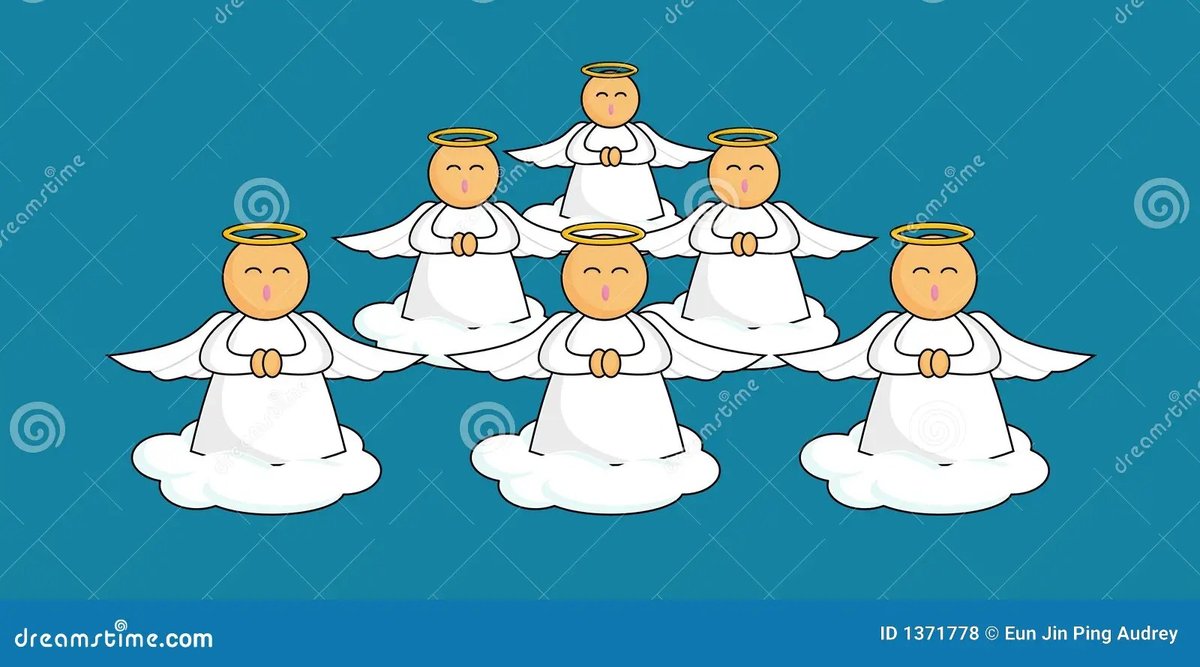
If you've ever had a tiny, glowing figure whisper advice into a character's ear in an old cartoon, or seen a majestic, feathered being guiding a hero in a modern animated epic, you've witnessed the enduring power of famous cartoon angels. From their earliest, often fleeting appearances as conscience figures to their complex, multi-faceted roles today, these heavenly hosts have undergone a fascinating design evolution. They're more than just characters; they're visual shorthand for hope, guidance, mischief, and even judgment, reflecting centuries of iconography distilled into animated form.
At a Glance: What We'll Uncover
- Ancient Roots, Modern Wings: How historical depictions of angels (from Assyrian lamassu to Renaissance putti) subtly shape even the most outlandish cartoon designs.
- The Golden Age's Heavenly Hints: Early animation's simple, often cherubic, take on angels as fleeting figures or internal moral compasses.
- Conscience & Comedy: The iconic good angel/bad devil trope and how mid-century cartoons cemented their role as comedic foils and moral guides.
- Narrative Depth: The shift towards angels as central characters with distinct personalities and deeper narrative functions in later animation.
- Global Influences & Radical Redesigns: How anime, fantasy, and deconstructive approaches have shattered traditional angelic aesthetics, introducing new forms and interpretations.
- The Core Elements: A breakdown of how wings, halos, and robes adapt across different animation styles to convey diverse messages.
- Why They Endure: The symbolic power and narrative versatility that keeps cartoon angels flying high in our imaginations.
- Design Your Own: Practical tips for creating angelic characters that resonate with an audience.
More Than Just a Halo: The Enduring Appeal of Cartoon Angels
Think about it: a small, white-robed figure with a halo and wings instantly conveys "good," "purity," or "conscience" in animation. This immediate recognition isn't accidental; it's the culmination of millennia of cultural and artistic development, streamlined and stylized for the moving image. Cartoon angels tap into a universal understanding of iconography, whether they're serious guides or mischievous sprites, making them incredibly versatile narrative tools.
The journey of angelic depictions predates Christianity, stretching back to ancient Assyrian protective deities like the lamassu, with their human heads, lion bodies, and wings. The ancient Greeks also featured winged figures such as Eros (love) and Nike (victory). As Christianity emerged, angels first appeared as wingless young men in early Christian art (mid-3rd century, Catacomb of Priscilla), before evolving to include wings by the 4th century, influenced by those classical winged victories. Later, the Byzantine and Medieval periods adorned angels with elaborate wings and halos, symbols of their divine nature, frequently seen in religious manuscripts. The Renaissance brought a human touch, while the Baroque era injected drama and emotion. This rich visual history provides a deep well of inspiration that cartoonists have drawn from, often twisting and reimagining it for comedic or dramatic effect.
The Golden Age's Heavenly Hints: Pioneers of Early Animation (1930s-1950s)
In the nascent days of animation, angels weren't often main characters. Instead, they typically appeared as fleeting visions or literal representations of a character's inner conscience. These early cartoon angels were visually simplistic, often borrowing directly from classical putti or cherubs: small, plump, bare-skinned figures with tiny wings, exuding innocence.
One very early instance can be seen in Max Fleischer's Betty Boop short, "Poor Cinderella" (1934), where a fairy godmother character takes on a somewhat angelic, magical helper role. While not explicitly an angel, the magical helper archetype often shares visual and narrative DNA with angelic figures. In Walt Disney's Silly Symphonies and Warner Bros.' Looney Tunes and Merrie Melodies, true angels were rare, but when they did appear, it was typically in a quick gag or as a post-mortem caricature of a character who'd "gone to their reward" – think of a character floating upwards with a harp and a tiny halo after a particularly violent mishap.
The design was almost always rudimentary: a white sheet or cloud, a simple halo, and often a comedic instrument like a harp. The purpose was clear and immediate: signify death, innocence, or heavenly intervention, often for a laugh. There wasn't much room for complex personalities, but these early designs laid the groundwork for the more nuanced interpretations to come.
Conscience and Comedy: The Angelic Dilemma in Mid-Century Cartoons (1950s-1980s)
The mid-20th century saw the cementing of perhaps the most iconic cartoon angel role: the "good angel" on a character's shoulder, battling it out with its "bad devil" counterpart. This trope perfectly encapsulated internal struggle, providing a visible, externalized conflict that was both relatable and hilarious.
- Tom & Jerry: Jerry Mouse frequently faced moral dilemmas, and while Tom rarely did, both characters occasionally had their conscience appear, often as a smaller, mini-version of themselves with a halo and wings. The designs were direct, simple, and instantly recognizable.
- Looney Tunes: Characters like Bugs Bunny or Daffy Duck would sometimes be visited by their tiny, ethereal doppelgangers, offering conflicting advice. The angelic version was always pristine white, often with a golden glow, a stark contrast to the devil's red.
- Popeye the Sailor: Popeye's internal struggles often manifested as a tiny angel and devil arguing on his shoulders, guiding his actions in his signature, often violent, way.
In this era, the design evolution focused less on anatomical realism and more on narrative function. Angels became mirror images of the characters they advised, miniaturized and purified, making their guidance (or the lack thereof) deeply personal. They were a visual shorthand for morality, often exaggerated for comedic effect, and their designs were pared down to the absolute essentials to serve this immediate purpose. If you're looking to learn more about cartoon angels, understanding this era is crucial, as it defined many of the visual cues we still associate with them today.
The Renaissance of Character: Angels with Depth and Narrative Purpose (1980s-Early 2000s)
As animation techniques advanced and storytelling ambitions grew, cartoon angels began to shed their purely symbolic roles, emerging as fully fleshed-out characters with their own motivations and stories. This era saw angels not just as conscience figures but as actual inhabitants of heavenly realms, interacting with the mortal world in more substantial ways.
A prime example is Annabelle, the elegant Whippet angel in Don Bluth's All Dogs Go to Heaven (1989). Her design is sophisticated: long, flowing robes, delicate but powerful wings, and a serene yet slightly exasperated expression. She's a celestial bureaucrat, a judge, and a guide, embodying a more mature and complex angelic archetype. Her visual elegance was a departure from the earlier, simpler designs, reflecting the film's more dramatic and heartfelt narrative.
Other cartoons continued the tradition of using angels for comedic effect, but often with greater personality. The Simpsons frequently parodied the "angel/devil on the shoulder" trope, with Homer's angelic counterpart often being just as dim-witted or self-serving as Homer himself, highlighting the show's cynical humor. Even in children's shows like the original DuckTales, we saw ghostly, but benevolent, ancestors with angelic qualities assisting Scrooge McDuck.
This period also saw Western animation begin to explore different angelic animation styles, with greater attention paid to individual character design, allowing angels to be as diverse as any other character in the ensemble. The designs retained core angelic elements like wings and halos but infused them with unique personalities, often blending the ethereal with the everyday.
Modern Divine Interventions: Diversification and Deconstruction (2000s-Present)
The 21st century has been a melting pot of animation styles and influences, leading to the most radical and diverse interpretations of cartoon angels yet. Global animation, particularly anime and manga, has heavily influenced Western animation, broadening the definition of what an "angel" can be.
- Anime's Influence: Series like Neon Genesis Evangelion redefined "angels" as monstrous, alien entities, deconstructing traditional biblical imagery into a sci-fi context. While visually distinct from Western cherubs, their role as powerful, often destructive, cosmic beings mirrors some of the more awe-inspiring biblical descriptions. On the lighter side, magical girl anime like Cardcaptor Sakura features characters with angelic-like transformations, complete with feathered wings and ethereal glows, blending innocence with immense power.
- The Adult Animation Boom: Shows like Hazbin Hotel and Helluva Boss plunge into the afterlife, depicting angels and fallen angels with highly stylized, expressive, and often edgy designs. Here, angels aren't always benevolent; they can be judgmental, bureaucratic, or even villainous. Their designs often play with exaggerated features, unique color palettes, and intricate wing patterns that reflect their personalities and moral ambiguities.
- Fantasy & Abstract: Adventure Time often featured cosmic entities and deities with angelic qualities, but their designs were abstract, surreal, and highly imaginative, pushing the boundaries beyond traditional human forms.
- Satire and Subversion: Modern shows like Family Guy and South Park continue to use angels for satirical purposes, often depicting them as mundane, incompetent, or comically flawed, completely subverting the traditional image of purity.
This era of design evolution is characterized by a willingness to completely reimagine angelic forms, blending traditional iconography with sci-fi, fantasy, horror, and comedic elements. Angels might be mechanical, spectral, multi-limbed, or barely recognizable, reflecting a broader cultural shift towards questioning and reinterpreting established myths. It's a fascinating time to discover various angelic character archetypes because the boundaries are constantly being pushed and redefined.
The Anatomy of a Heavenly Helper: Common Design Elements
Despite the vast stylistic differences, certain core elements frequently reappear in cartoon angel designs, serving as immediate visual cues:
Wings: The Feathery Spectrum
Wings are perhaps the most defining feature of a cartoon angel. Their design varies wildly, reflecting the character's nature and the animation's style:
- Traditional Feathered: Often white, sometimes golden or rainbow-hued, signifying purity, grace, and flight. They can range from tiny, delicate cherub wings to immense, majestic feathered spans.
- Gossamer/Translucent: Appearing almost spectral or magical, often used for ethereal guides or spirit angels.
- Mechanical/Technological: Seen in more sci-fi-influenced designs (like some anime), suggesting artificiality, power, or a non-biological origin.
- Abstract/Symbolic: Sometimes just a swirl of light, a pair of lines, or a single feather, used to imply angelic qualities without literal depiction.
- Size and Shape: From small nubs for comedic effect (indicating a beginner angel) to impossibly large, elaborate wings that dominate the character's silhouette, conveying grandeur or power.
Halos: The Crown of Light
The halo is another instant identifier, symbolizing holiness, purity, and divine connection.
- Classic Floating Ring: The most common, often a simple gold or white ring hovering above the head. Its stability (or wobbling) can even convey personality.
- Attached/Integrated: Sometimes a halo is drawn directly onto the head, or represented as a glow around it, making it less a separate object and more an inherent part of the character.
- Symbolic Glow: No physical ring, but an aura of light emanating from the character, subtly hinting at their angelic nature.
- Materiality: Can be golden, iridescent, made of pure light, or even appear as a solid, almost metallic ring, depending on the desired effect.
Robes & Clothing: From Simplicity to Splendor
The attire of cartoon angels often follows a spectrum from minimalist to opulent.
- Simple White Robes: The most common, signifying purity and innocence, often flowing and uncomplicated.
- Golden Accents: Gold trim, sashes, or armor can indicate importance, regality, or a more warrior-like angelic role.
- Elaborate Gowns/Armor: In fantasy or more serious animated works, angels might wear intricate clothing or even armor, reflecting their specific function (e.g., a warrior angel, a guardian).
- Modern Interpretations: Some contemporary cartoons ditch traditional robes entirely, dressing angels in contemporary clothing, or even abstract forms, further pushing the boundaries of their visual identity.
Facial Features & Expressions: Conveying the Divine (or the Droll)
A cartoon angel's face needs to convey its essence quickly.
- Serene and Wise: Often used for guiding or benevolent angels, with gentle eyes and soft expressions.
- Comical/Exasperated: For the "conscience" angels or those dealing with chaotic mortal characters, expressions can be highly exaggerated, from wide-eyed shock to a long-suffering sigh.
- Stern/Judgmental: For angels with a role in justice or punishment, a more rigid or formidable expression might be used.
- Cherubic: Round, innocent faces are common for younger or more traditional angelic depictions.
By combining and varying these elements, animators create a diverse range of angelic characters, each communicating their role, personality, and the overall tone of their animated world. Understanding these elements helps us delve into cartoon angel symbolism and appreciate the artistic choices involved.
Why Do We Keep Drawing Them? The Enduring Appeal of Cartoon Angels
The persistent presence of angels in cartoons speaks volumes about their enduring cultural significance and narrative utility.
- Universal Symbolism: Angels embody powerful concepts like hope, purity, guidance, protection, and judgment, which resonate across cultures and age groups. They provide an instant visual anchor for these complex ideas.
- Narrative Utility:
- Deus ex Machina: Angels can easily serve as plot devices, swooping in to save the day or deliver crucial information.
- Moral Compass: They are perfect for externalizing internal conflict, as seen with the classic "angel on the shoulder" trope.
- Comedic Foil: Their inherent "goodness" can be subverted for humor, or they can be the straight man to a more chaotic character.
- Emotional Resonance: Angels can provide comfort, inspire awe, or evoke pathos, deepening the emotional impact of a story.
- Visual Flexibility: As we've seen, angelic designs are incredibly adaptable. They can be cute, terrifying, majestic, or ridiculous, fitting seamlessly into almost any genre or art style. This flexibility ensures their continued relevance.
- Cultural Dialogue: Modern cartoon angels often engage in a dialogue with traditional religious and mythological depictions, offering new interpretations and reflecting contemporary societal views on spirituality, morality, and the afterlife.
Common Misconceptions & Clarifications About Cartoon Angels
As with any long-standing trope, there are a few common misunderstandings about cartoon angels:
- Misconception: All cartoon angels are inherently "good" or benevolent.
- Clarification: Not at all! While many embody virtue, modern animation, especially in adult or fantasy genres, frequently portrays angels as judgmental, bureaucratic, misguided, or even villainous (e.g., some characters in Hazbin Hotel or fallen angels in various narratives). Even the "good angel" on the shoulder can sometimes offer questionable advice.
- Misconception: They always have wings.
- Clarification: While wings are a common identifier, especially in later periods, early Christian art depicted angels without them, and some highly stylized or abstract cartoon angels might forgo wings in favor of other visual cues like a glow or a halo, or even appear as ghostly figures.
- Misconception: They are always human-like.
- Clarification: Again, this depends on the era and style. While many cartoon angels are anthropomorphic, particularly for relatable conscience figures, modern animation, especially in sci-fi or fantasy genres (like Neon Genesis Evangelion's Angels), can depict them as alien, monstrous, or abstract beings with little resemblance to human form.
Crafting Your Own Heavenly Host: A Mini Design Guide
Feeling inspired to design your own cartoon angel? Here are some practical steps to guide your creative process:
- Define Their Role and Personality: Is your angel a wise guide, a mischievous trickster, a powerful warrior, or a bumbling bureaucrat? Their personality should dictate their visual design. A stern judge might have sharp, angular features and large, imposing wings, while a playful sprite could have soft, rounded lines and tiny, fluttering wings.
- Choose Your Iconography (Traditional vs. Modern):
- Traditional: Will you lean into classic elements like feathered wings, a floating halo, and flowing white robes? This is great for immediate recognition and evoking a sense of classic purity.
- Modern/Subversive: Or will you reinterpret these elements? Maybe mechanical wings, a halo that's an energy ring, or contemporary clothing. This allows for greater originality and can fit a more unique narrative.
- Consider Your Art Style: Your angel needs to fit within the broader aesthetic of your animation.
- Chibi/Cute: Round, oversized heads, small bodies, simplified features.
- Realistic/Detailed: More anatomical accuracy, intricate feather details, nuanced expressions.
- Abstract/Stylized: Geometric shapes, non-traditional forms, colors that convey emotion over realism.
- Gothic/Edgy: Sharp lines, darker colors, potentially torn or stylized wings for a fallen angel.
- Experiment with Key Elements:
- Wings: How many? What shape? What texture? Where are they attached? Do they serve a purpose beyond flight (e.g., as armor, for display)?
- Halo: Is it gold, iridescent, made of light, or something else entirely? Does it float freely, or is it integrated? Does it change with their mood?
- Color Palette: White and gold are classic, but what if your angel is emerald green or obsidian black? How do colors convey their nature?
- Expressions and Body Language: How do they carry themselves? Are they ethereal and graceful, or clumsy and grounded? Their posture and gestures are crucial for conveying character without words.
- Reference Broadly (But Don't Copy): Look at classical art, historical depictions, other cartoons, and even natural elements (like birds or clouds) for inspiration. The goal isn't to copy, but to understand what makes these designs compelling and how you can apply those principles in a fresh way.
Remember, the most memorable cartoon angels, whether iconic or niche, are those whose designs immediately communicate their essence and serve their story. Dive in and get tips on creating your own cartoon angels that truly fly!
The Future of Flight: What's Next for Cartoon Angels?
As animation continues to evolve, embracing new technologies like AI and pushing the boundaries of storytelling, what can we expect for cartoon angels? We'll likely see even greater diversification, with angels becoming more deeply integrated into complex fantasy and sci-fi worlds, moving beyond traditional religious contexts. The blurring of lines between angels, deities, aliens, and magical beings will continue, leading to highly imaginative and genre-bending designs.
We might see more interactive angels in gaming, or hyper-stylized forms in experimental animation. The comedic subversion of angelic tropes will certainly persist, constantly finding new ways to poke fun at perceived purity. Ultimately, the future of cartoon angels will reflect our evolving understanding of spirituality, morality, and the human — or superhuman — condition, all rendered with boundless creativity.
More Than Just a Wing and a Halo: A Final Thought
Famous cartoon angels are a testament to animation's power to distill complex ideas into universally understood visual language. Their journey, from fleeting Golden Age gags to central figures in modern narratives, showcases a continuous dance between tradition and innovation. They remind us that even the most ancient symbols can be endlessly reimagined, staying relevant and resonant for generations to come. So next time you see a cartoon angel, take a moment to appreciate the centuries of artistic evolution distilled into that perfect animated moment – a true triumph of design.