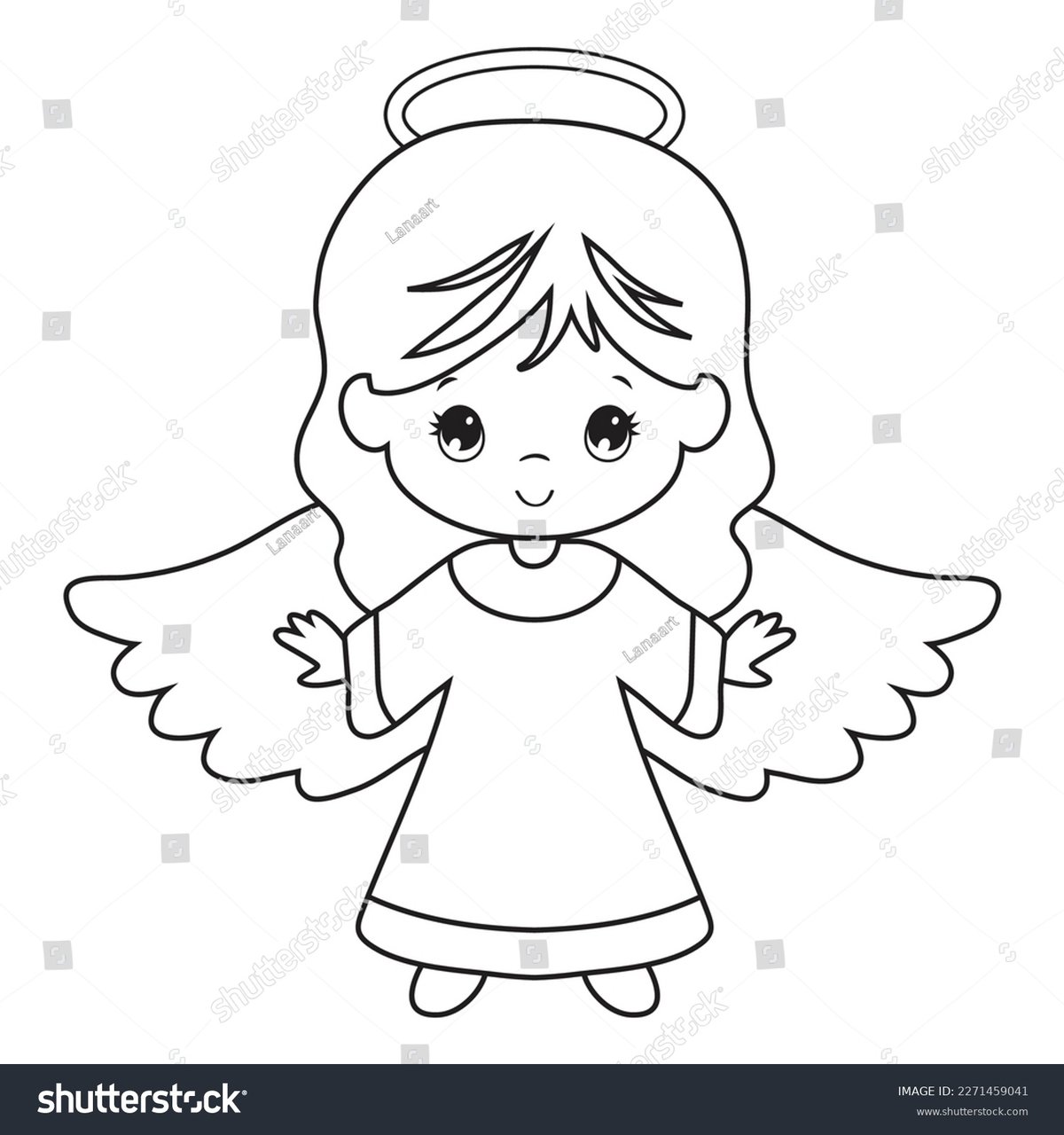
Ever wondered why a tiny, winged figure with a halo can convey so much emotion, from playful mischief to serene grace? Cartoon angel art styles are a fascinating blend of the sacred and the whimsical, offering an endless canvas for artists, designers, and storytellers alike. Whether you're sketching a character for a game, illustrating a children's book, or crafting a unique piece of digital art, understanding the nuances of these styles can unlock a world of creative potential and help your work truly stand out.
This guide isn't just about drawing; it's about exploring the rich tapestry of aesthetics, diving into what makes a cartoon angel memorable, and finding the inspiration to bring your own vision to life.
At a Glance: Key Takeaways for Your Cartoon Angel Journey
- Diverse Aesthetics: Cartoon angels aren't one-size-fits-all. They range from adorable chibis to elegant, stylized figures, each conveying a distinct mood.
- Essential Elements: Halos, wings, and ethereal glow are common, but their execution defines the style.
- Inspiration is Everywhere: Look beyond traditional religious iconography; nature, mythology, pop culture, and personal emotions are rich sources.
- Beyond the Drawing Board: Understanding design principles like color, shape, and storytelling elevates your angel artwork.
- Practice & Experimentation: The best way to find your unique style is to sketch often and play with different approaches.
Why Cartoon Angels Resonate So Deeply
Cartoon angels occupy a unique space in art and culture. They blend the universally recognized symbolism of purity, guidance, and divinity with the approachable, often humorous, nature of cartoons. This duality makes them incredibly versatile. They can be comforting figures in a heartfelt narrative, mischievous sprites in a comedic short, or even powerful guardians in an epic fantasy. Their appeal lies in their ability to evoke strong emotions while remaining accessible and charming.
The magic happens when artists infuse these symbolic figures with a distinct personality and visual flair, transforming a simple concept into a captivating character. From cherubic toddlers with tiny wings to sleek, modern interpretations, the journey of designing a cartoon angel is one of imaginative exploration.
Deconstructing the Cartoon Angel Aesthetic
Before diving into specific styles, let's break down the fundamental elements that often define a cartoon angel. Understanding these building blocks will help you manipulate them to fit any style you envision.
The Iconic Trinity: Halo, Wings, and Aura
Every cartoon angel, regardless of its specific style, typically features a few key identifiers.
- The Halo: This classic symbol of divinity and purity can be anything from a perfectly round, glowing ring to a tilted, slightly askew disc suggesting a more playful personality. Its placement, size, and glow contribute significantly to the angel's character.
- The Wings: Oh, the wings! These are perhaps the most expressive element. Feathered, ethereal, mechanical, bat-like, or even tiny nubs – the design of the wings speaks volumes. Are they grand and majestic, suggesting power, or small and fluttering, implying youth or delicacy?
- The Aura/Glow: While not always explicit, many cartoon angels have a subtle (or not-so-subtle) glow or ethereal quality. This can be achieved through color palettes, highlights, or particle effects, reinforcing their otherworldliness.
Beyond the Basics: Facial Features and Body Language
Just like any character, a cartoon angel's expression and posture are crucial.
- Eyes: Large, expressive eyes are a hallmark of many cartoon styles. They can convey innocence, wisdom, sadness, or a twinkle of mischief.
- Mouth: A soft smile, a surprised "o," or a determined frown will dramatically alter the angel's emotional impact.
- Body Proportions: Exaggeration is key in cartooning. Chibi angels have oversized heads and tiny bodies, while more heroic styles might feature longer limbs and dynamic poses.
- Costume & Accessories: Flowing robes are common, but consider tunics, armor, modern clothing, or even whimsical outfits. What about sashes, ribbons, or small bells? These details add personality.
Popular Cartoon Angel Art Styles to Explore
The beauty of cartoon angel art lies in its incredible versatility. There isn't just one way to draw an angel; there are countless stylistic interpretations, each offering a unique flavor. Let's delve into some of the most beloved and distinctive styles.
1. The Adorable Chibi Angel
- Characteristics: Think oversized heads, tiny bodies, large, sparkling eyes, and often minimal detail. Chibi angels are all about maximum cuteness and innocence. Their wings might be small and fluffy, or even just suggested with a little swirl.
- Mood: Sweet, innocent, playful, endearing.
- Inspiration: Japanese anime/manga, plush toys, cute emoticons.
- When to Use It: Character design for mobile games, stickers, children's book illustrations, or anything needing an instant "aww" factor.
2. The Classic "Cupid-esque" Angel
- Characteristics: Drawing inspiration from Renaissance art, these angels often feature plump, childlike figures, rosy cheeks, and soft, feathery wings. They might carry small bows and arrows. The lines are usually soft and rounded, with a warm color palette.
- Mood: Romantic, mischievous, charming, traditional.
- Inspiration: Renaissance putti, vintage Valentine's Day cards, classical mythology.
- When to Use It: Holiday greetings, romantic illustrations, decorative art, or designs evoking a sense of nostalgic charm.
3. The Whimsical & Playful Angel
- Characteristics: This style leans into exaggeration and humor. Angels might have goofy expressions, floppy wings, oversized halos that are too big for their heads, or even be depicted doing silly human-like activities. The lines are often loose and dynamic, with bright, cheerful colors.
- Mood: Humorous, lighthearted, energetic, quirky.
- Inspiration: Classic cartoons (Looney Tunes, Tom & Jerry), comic strips, Dr. Seuss.
- When to Use It: Editorial cartoons, animated shorts, greeting cards with a humorous twist, or anything designed to bring a smile.
4. The Elegant & Stylized Angel
- Characteristics: Moving away from strict realism, this style emphasizes sleek lines, simplified forms, and a sophisticated color scheme. Proportions might be elongated or stylized for dramatic effect. Wings could be geometric, flowing, or even abstract. The focus is on aesthetic appeal and clean design.
- Mood: Graceful, serene, modern, ethereal, refined.
- Inspiration: Art Nouveau, minimalist design, fashion illustrations, contemporary animation.
- When to Use It: Corporate branding with a spiritual bent, book covers, album art, sophisticated digital illustrations, or designs seeking a blend of tradition and modernity.
5. The Mighty & Heroic Angel
- Characteristics: These angels are often depicted with a sense of power and strength. Their bodies might be more muscular or dynamically posed, their wings grand and imposing, and their expressions determined or protective. Think vibrant colors, dramatic lighting, and intricate details in armor or garments.
- Mood: Strong, protective, valiant, awe-inspiring.
- Inspiration: Comic book superheroes, epic fantasy art, classical sculpture, mythological warriors.
- When to Use It: Concept art for video games, graphic novels, fantasy illustrations, or any artwork requiring a powerful angelic presence.
6. The Dark & Gothic Cute Angel
- Characteristics: A playful subversion, this style combines angelic features with darker elements. Think angels with black or tattered wings, slightly melancholic expressions, or dressed in darker hues like deep purples, grays, and blacks, often with cute touches like bows or intricate patterns.
- Mood: Melancholy, mysterious, edgy, charmingly gloomy.
- Inspiration: Gothic fashion, Halloween aesthetics, Tim Burton films, emo/punk subcultures.
- When to Use It: Alternative fashion designs, unique stickers, illustrations for a darker fantasy tale, or art for those who appreciate beauty in the unconventional.
Each of these styles offers a unique starting point. Don't be afraid to mix and match elements to create something truly original!
Finding Your Winged Muse: Where Inspiration Takes Flight
Great artwork, especially angel art, tells a story and makes people look twice. It's about creating a unique experience that can't be matched, as the experts at 99designs highlight when discussing what makes good art. Inspiration isn't a lightning bolt; it's a constant search and synthesis. When designing your cartoon angel, cast a wide net.
1. Observe the Masters (and Your Peers)
Pinterest is an invaluable resource for visual discovery. Searching for "cartoon angel design" on platforms like Pinterest can unlock a vast array of existing styles, techniques, and interpretations. [Explore our cartoon angel collection](placeholder_link slug="cartoon-angel" text="Explore our cartoon angel collection") for a wealth of ideas to kickstart your own creations. Don't copy, but analyze: What makes certain designs appealing? How do different artists use color, line weight, and proportion?
- Art History: Look at classical paintings of angels, but identify what elements you can simplify or exaggerate for a cartoon effect.
- Animation & Comics: Study your favorite animated films, TV shows, and comic books. How do they convey personality and emotion through stylized characters?
- Other Digital Artists: Follow artists whose work you admire. See how they innovate and adapt familiar themes.
2. Dive into Mythology & Folklore
Angelic figures exist in many cultures beyond the Western tradition.
- Global Lore: Research seraphim, cherubim, archangels, or even nature spirits and fairies. Each culture’s interpretation can offer fresh visual cues.
- Attributes: Instead of focusing solely on the "angel," consider their roles – messengers, guardians, healers. How can these roles be visually represented? A guardian angel might have a more stoic expression and sturdy wings.
3. Embrace Nature's Symphony
The natural world is an endless wellspring of design elements.
- Feathers: Study different bird feathers – their textures, shapes, and how they overlap.
- Clouds & Light: How does light filter through clouds? How can you mimic that ethereal glow in your angel's aura or skin?
- Flowers & Animals: Incorporate natural motifs into clothing, halos, or even wing patterns. A forest angel might have wings made of leaves or moss.
4. Personal Experiences & Emotions
The most compelling art often comes from within.
- Memory Lane: Think about moments of comfort, hope, or even sadness. How would an angel embody those feelings?
- Symbolism: What personal symbols resonate with you? Weave them into your angel's design. Perhaps a specific flower, a star, or a color holds special meaning.
- Storytelling: Every design choice should contribute to a narrative. What is your angel's story? Are they benevolent, mischievous, or sorrowful?
Crafting Your Own Cartoon Angel: A Design Blueprint
Once inspiration strikes, it's time to translate those ideas into tangible art. Here’s a practical framework for creating your own unique cartoon angel artwork.
1. Sketching Your Vision: From Doodle to Detail
- Start Loose: Don't aim for perfection in your first sketch. Focus on pose, proportion, and overall silhouette. Use simple shapes – circles for heads, ovals for bodies.
- Experiment with Poses: Try dynamic poses, serene stances, or playful gestures. How does your angel stand, sit, or fly? Body language communicates so much.
- Refine the Anatomy: Even in cartoons, a basic understanding of anatomy helps create believable forms. Simplify, but understand what you’re simplifying.
- Focus on Key Elements: Once the pose is down, add the halo, wings, and facial features. Play with their size and placement to alter the mood.
2. Choosing Your Palette: The Language of Color
Color is incredibly powerful in communicating emotion and setting the tone. As 99designs points out, color, shape, and other design elements are crucial for artwork to stand out.
- Traditional: Soft pastels, whites, golds, and light blues evoke classic purity and serenity.
- Vibrant & Energetic: Bright primaries or secondary colors can make a playful angel pop.
- Muted & Ethereal: Soft grays, lavenders, and desaturated tones create a dreamlike, otherworldly feel.
- Contrast: Use contrasting colors to make certain elements stand out, like a bright halo against darker hair.
- Lighting: Consider how light interacts with your angel. Is it bathed in soft moonlight, a warm sunrise, or a mystical glow?
3. Line Work & Detail: Bringing Form to Life
- Line Weight: Varying line thickness adds depth and emphasis. Thicker lines for outlines, thinner lines for internal details.
- Texture: Even in a cartoon, implied texture adds interest. Think about how to suggest soft feathers, flowing fabric, or shiny metal.
- Accessories & Embellishments: Don't forget the small details – a tiny bell on a shoe, intricate patterns on a halo, or a unique staff. These are opportunities for personality.
4. Software & Tools: Your Digital Canvas
Whether you're drawing traditionally or digitally, having the right tools makes a difference.
- Digital Tools: Photoshop, Procreate, Clip Studio Paint, Illustrator, and Krita are popular choices for digital art. Each has its strengths for different styles.
- Traditional Tools: Pencils, inks, watercolors, or markers can give a unique handcrafted feel to your cartoon angels.
- Vector vs. Raster: Consider if you need your angel to be scalable (vector, e.g., Illustrator) or if a detailed, pixel-based image is sufficient (raster, e.g., Photoshop).
Common Pitfalls and How to Avoid Them
Even seasoned artists face challenges. Here are a few common traps when creating cartoon angel art and how to navigate them.
- Generic Designs: The biggest pitfall is creating an angel that looks like every other angel. To avoid this, push boundaries. What unexpected trait can you give your angel? A unique hairstyle? A quirky expression? An unusual animal companion?
- Stiff Poses: A character that looks like a mannequin is unengaging. Use dynamic lines of action, exaggerate movement, and practice gesture drawing to bring your angels to life.
- Over-reliance on Tropes: While halos and wings are iconic, don't let them be the only defining features. Give your angel a unique story or personality that goes beyond the basic symbolism.
- Lack of Story: Good art tells a story. What is your angel doing? What emotion are they conveying? Even a simple pose can imply a narrative.
- Inconsistent Style: If you're creating a series of angels, ensure there's stylistic consistency unless you're intentionally showcasing variation. Maintain similar line weights, color palettes, or character proportions.
- Ignoring Feedback: Share your work! Constructive criticism from peers or a professional designer (as 99designs suggests for unique artwork) can highlight areas for improvement you might have overlooked.
Frequently Asked Questions About Cartoon Angel Art
Q: What's the difference between a cherub and an angel in cartoon art?
A: In cartoon art, a "cherub" typically refers to a very young, often chubby, winged child (like a Cupid). An "angel" can be any age or build, from a child to an adult, and encompasses a wider range of styles, from cute and playful to majestic and powerful.
Q: How can I make my cartoon angel look unique?
A: Focus on combining unexpected elements. Give your angel a non-traditional outfit, a quirky expression, a unique wing design (e.g., made of leaves, gears, or ribbons), or a distinctive hairstyle. Infuse it with a specific personality or story, too.
Q: What are good programs for drawing cartoon angels digitally?
A: For raster art (pixel-based, good for painting and detailed textures), Photoshop, Procreate (iPad), and Clip Studio Paint are excellent. For vector art (scalable, good for clean lines and logos), Adobe Illustrator or Affinity Designer are strong choices.
Q: Should I use realistic wings or stylized wings for my cartoon angel?
A: It depends entirely on your chosen style! Realistic, feathered wings can add a touch of grace, even to a cartoon. Stylized wings (geometric, abstract, or simplified) can enhance the cartoon aesthetic, create a unique silhouette, and allow for more creative expression. Experiment to see what fits your vision.
Q: How do I convey emotion in a cartoon angel's face?
A: Exaggerate! Large, expressive eyes are key. Use eyebrows to convey anger, sadness, or surprise. A simple upturned mouth for happiness, a downturned one for sadness, or a slight smirk for mischief. Don't be afraid to push expressions beyond realism.
Beyond the Halo: Your Next Steps in Cartoon Angel Art
You've explored the diverse world of cartoon angel art styles, found avenues for inspiration, and gathered practical tips for creation. The most important step now is to simply start drawing. Don't wait for perfection; embrace the process of experimentation.
Take one of the styles we discussed – perhaps the whimsical angel or the elegant stylized angel – and try to sketch a few versions. What happens if you give a chibi angel a serious expression? Or an elegant angel a slightly mischievous wink? The boundaries are yours to define.
Your cartoon angel journey is a personal one, filled with discovery and creativity. By understanding the core elements, drawing from a rich tapestry of inspiration, and daring to experiment, you'll create art that is not only visually appealing but truly resonant. So grab your pencil or stylus, and let your imagination take flight.